
Break Thirty
Published on
January 2, 2026
.svg)


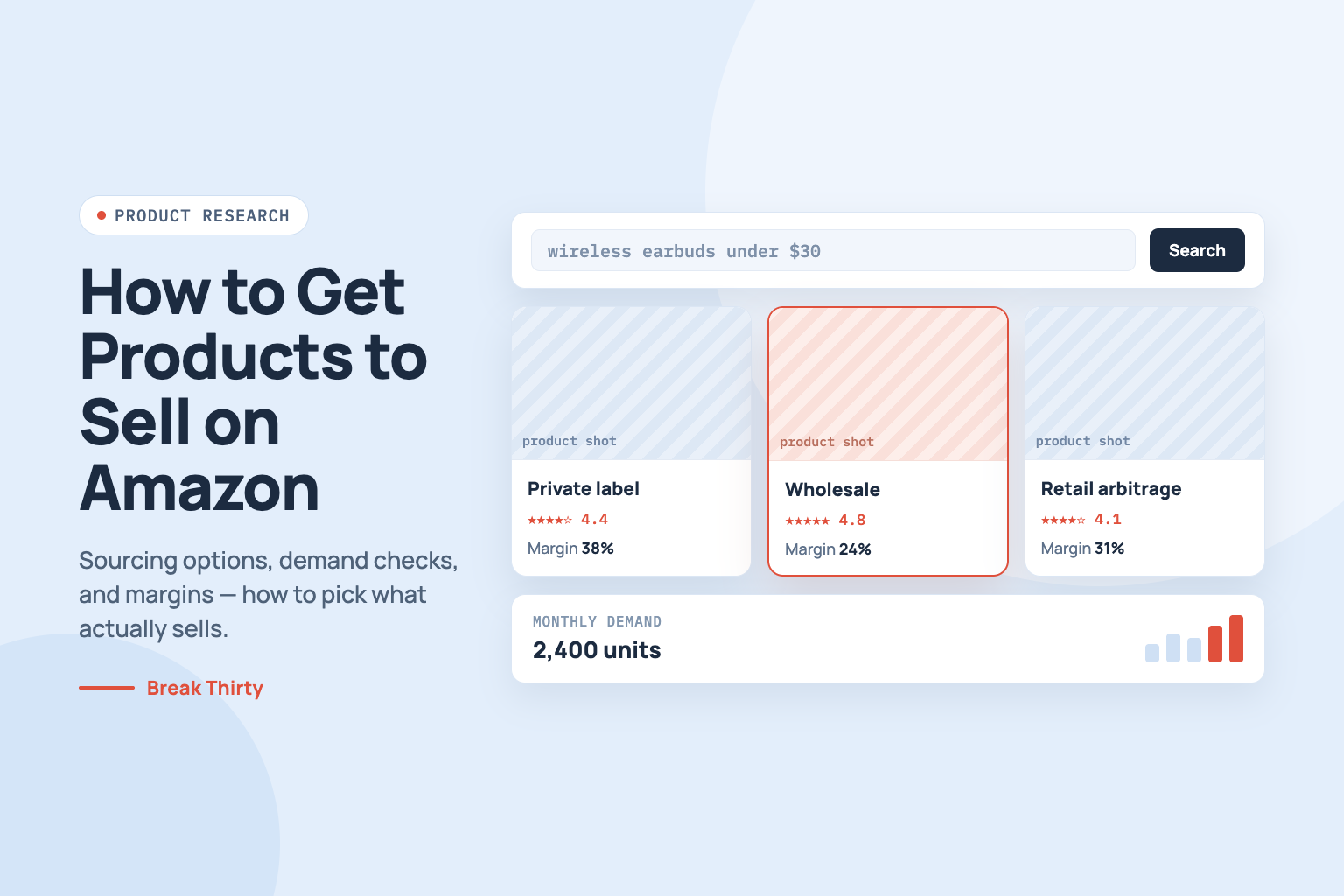
Selling on Amazon can be super profitable – in 2024, over 55,000 independent U.S. sellers each did more than $1 million in sales, and the average seller earned about $290,000.
But success hinges on choosing the right products and sourcing them wisely.
So, how do you get products to sell on Amazon? It starts with research and strategy.
Amazon itself suggests scanning the Best Sellers lists for top-selling categories like beauty, kitchen, automotive, clothing, electronics, etc. – each of which contains many high-demand items.
In this blog, you'll be able to learn how to get a product to sell on Amazon.
Products that customers want and that you can sell profitably, then source them through a reliable channel.
Before sourcing, narrow down what to sell.
Consider factors like demand, profit margin, and competition.
Seasoned sellers often recommend products with a retail price of around $25 to $100; too cheap, and Amazon’s fees eat into your profit.
Aim for a healthy profit margin (roughly 30% or more after all costs) so you can afford Amazon fees and still make money.
Check how many reviews the top listings have – if most leading listings have over 1,000 reviews, that niche may be too crowded.
Ideally many top competitors have fewer than 500 reviews, giving you room to compete.
1. Price point
~$25–100 (covers Amazon’s referral and FBA fees)
2. Profit margin
≥30% after costs
3. Competition
Top listings with moderate reviews (e.g. many under ~500)
4. Demand
Steady year-round (avoid very seasonal or ultra-trendy fads).
5. Logistics
Small, lightweight, non-fragile items (easier to ship and return safely).
Now, where can you find inspiration for your Amazon product?
You can start with Amazon’s own tools: browse the Amazon Best Sellers page or “Hot New Releases” in categories.
This shows what’s selling right now.
You can also search for keywords related to your hobbies or interests – often, your own passions give product ideas.
Pinterest and other marketplaces (eBay, Etsy) can spark ideas, too.
Finally, product-research tools let you see search volume and competition for any niche.
In any case, validate an idea by checking actual Amazon listings: use the Best Sellers Rank (BSR) to gauge sales velocity and read reviews to spot gaps in competitors’ offerings.
Once you have a product concept, secure inventory from reliable suppliers.
Common sourcing methods include.
Buy in bulk from authorized manufacturers or distributors.
You can find suppliers on global marketplaces (Alibaba, Global Sources) or through trade shows and industry directories.
This yields low per-unit costs and established products.
Use existing ASINs to piggyback on Amazon’s listings.
Make sure you are an authorized reseller – Amazon often requires invoices from approved distributors for gated brands.
For example, many home/garden or toy items can be sourced via an Alibaba private-label supplier, and later sold under your own brand.
Buy discounted products from retail stores or online retailers, then resell them at a markup on Amazon.
This can include clearance sales at Walmart/Target, outlet stores, or online clearance/flash-sale websites.
Tools like cash-back apps (Rakuten/Swagbucks) or scanning apps can help find profitable deals.
This requires low upfront investment (you buy only small lots) but is time-intensive.
Have a factory produce generic products with your branding.
You source a product idea (e.g., a simple kitchen gadget) and pay a manufacturer to stamp your brand on it.
Often done via Alibaba or other overseas factories.
Private label lets you create a unique brand, but you must handle design, quality checks, and differentiation.
You list products that a supplier stocks; when a customer orders, you purchase from the supplier who ships directly.
Dropshipping requires little capital (no inventory storage), but Amazon’s rules are strict: you must handle returns and maintain good service, and margins tend to be lower.
Amazon disallows direct drop-ship listing from sites like Amazon itself, so ensure your dropship supplier is legitimate and you follow Amazon’s dropship policies.
Source merchandise from auctions, thrift stores, or liquidation sales.
Many sellers find small, high-value lots (antiques, collectibles, bulk returns) that they can flip.
For example, auction sites and local estate sales can yield niche products to resell. This method is unpredictable but can uncover unique items.
If you make crafts or unique products (like on Amazon Handmade), you can sell those.
Or start with items you personally own (used books, electronics, collectibles) – Amazon lets you list used items for sale.
In fact, one suggestion for brand-new sellers is to begin by selling household items around the house (used books, toys, gadgets) to get your first sales without spending money.
This is a great way to practice listing and fulfill orders (often FBM) while you build capital.
No matter which method you use, always vet your suppliers: check reviews, request samples, and have a backup plan.
Also ensure product safety and compliance (some categories like electronics or children’s items have extra regulations).
Keep careful records of supplier invoices and batches.
Many well-known brands and certain categories on Amazon are “gated” for new sellers.
To sell these, you must first get Amazon’s permission.
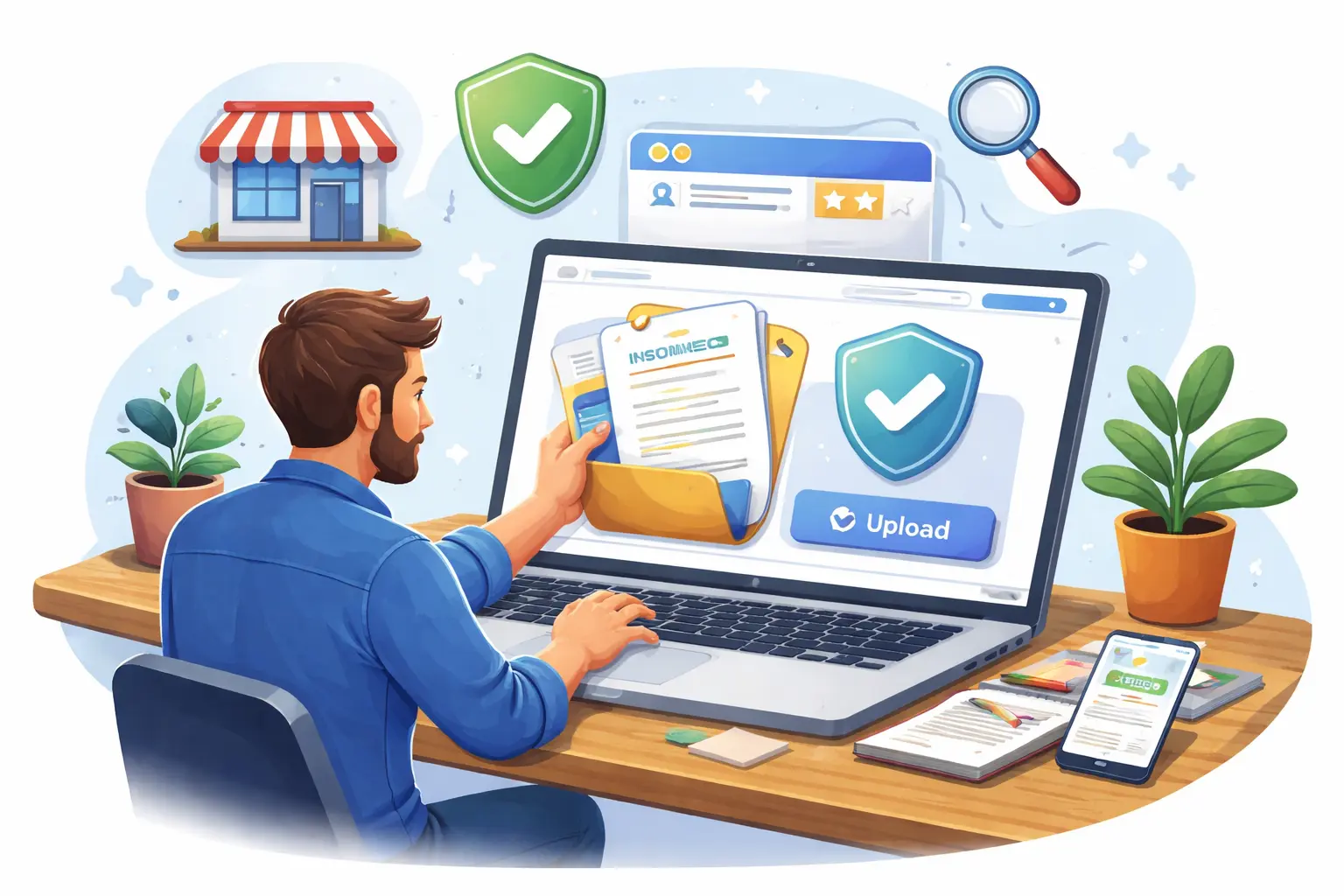
Typically, you need a Professional seller account, then in Seller Central, you go to Add a Product and follow the prompts – Amazon shows “Listing limitations apply” if a brand is restricted.
Click Request Approval, and you’ll have to submit information like invoices from an authorized distributor (often within the last 180 days) or authorization letters.
For example, to sell a big brand of electronics or a popular toy, Amazon might require 3–5 invoices proving you bought those items through legitimate channels.
If you skip this, your listings will be blocked, and you risk suspension.
In summary, obtain approvals for gated products by working with authorized suppliers and using Seller Central’s request process.
When selling on Amazon, you choose how to fulfill orders.
Many sellers use Fulfillment by Amazon (FBA).
With FBA, you ship your sourced products to Amazon’s fulfillment centers, and Amazon handles storage, packing, shipping, returns, and customer service.
FBA products automatically get Prime two-day eligibility, which often boosts sales.
FBA can “increase sales and reach customers around the globe,” as well as lower shipping costs by up to 70% compared to shipping yourself.
The alternative is Fulfilled by Merchant (FBM), where you store the inventory and ship each order yourself.
FBM can work if you have tight inventory control and want to avoid FBA fees, but it’s more work per order.
For most new sellers, FBA’s convenience and Prime access make it attractive.
Either way, once you have products in hand, list them in Seller Central (or piggyback on an existing ASIN) and set up FBA or FBM shipping accordingly.
How do I get permission to sell branded products on Amazon?
To get permission, you need a Professional seller account.
In Seller Central, click Add a Product, find the brand, and when it shows “Listing limitations apply,” click Request Approval.
Where can I find wholesale products to sell on Amazon?
Search for manufacturers or distributors in your niche.
Online B2B sites (Alibaba, ThomasNet, Wholesale Central) and industry trade shows are good starting points.
Contact those suppliers and set up a wholesale account.
Make sure to only buy from suppliers that allow resale of their products – ask for a resale certificate or letter if needed.
Do I have to invest money to get products for Amazon?
Not always. You can start by selling things you already own.
For instance, many new sellers clear out old books, electronics, or toys and list them on Amazon for free.
This requires no upfront investment other than time.
Once those sales generate capital, you can reinvest in buying wholesale lots or arbitrage deals.
In the long run, though, growing an Amazon business usually means buying inventory – either retail/trade stock or manufacturing products.
Getting products to sell on Amazon takes research and hustle, but by choosing the right niche and leveraging reliable suppliers, you can build a profitable lineup.
We hope this guide gives you a clear roadmap.
Need help getting started?
Our Complete Amazon Seller Central Management service can handle everything for you – from product research and sourcing to listing optimization, inventory management, and order fulfillment.
Let our experts manage the details so you can focus on growing your business.
For more detailed strategies on sourcing, send us a message.


How we can tailor your Shopify theme or build a brand-new store from the ground up.
© 2025 | All rights reserved.


